
"Here I Am"
What happens when an adult shows up for a young parent and has no expectations
When Amy Kilham first heard about Shelby, she didn't know her name. She knew only a few details. A local student was about to become a young mother.
"I couldn't let the idea go," Amy recalls. "I just kept thinking, reach out. Even if they don't need it or want it, just offer it. What's the worst that could happen?"
The feeling was deeply personal. Amy had become a mother herself at seventeen. She remembered the uncertainty, the isolation, and the way people sometimes looked at young parents through a lens of judgment rather than compassion. She remembered how much it mattered when people showed up.
Still, reaching out wasn't easy. Amy wasn't sure what she was offering. She worried about expectations. Would Shelby even want a connection? Was she creating an obligation she couldn't fulfill?
What Amy eventually realized was that support doesn't begin with certainty. It begins with vulnerability. When an introduction was arranged, both women were nervous.
Amy arrived with no grand plan. She offered her phone number and a simple invitation: if Shelby ever wanted to talk, take a walk, grab coffee, or needed a ride somewhere, she could call. The choice was entirely Shelby's.
That was important to Amy from the beginning.
"You can offer support and love," she says, "but the other person has zero obligation to take you up on it. It all hinges on whether you get along and want to choose each other."
A week later, Shelby called. She needed a ride to the store. What followed was more than an errand.
Over coffee and a trip to Walmart, the two shared pieces of their stories. Shelby opened up about her life. Amy talked honestly about her own experiences as a teen mother. They laughed. They cried. They found unexpected common ground. Comfort grew slowly.
Amy was intentional about keeping the relationship free from labels and expectations.
"I told her, I'm not your mom. I'm not a social worker. I'm not a teacher. I'm just a friend," Amy says. "It's in your hands. You can call if you want to."
That freedom became the foundation of trust.
When Shelby prepared for the birth of her baby, Amy shared practical wisdom she had learned through experience. They talked about hospital bags, pajamas, and the countless small things that new parents often don't know they don't know. But the lessons were never the point.
The point was spending time together. The point was connection.
After Shelby's baby was born, there was a period of quiet. Then one day, Shelby called and asked Amy to come over. Amy said yes.
Sometimes support isn't solving a problem. Sometimes it's simply showing up.
As the months passed, the friendship deepened. Amy shared invitations to meet her family and spend time together, meet friends, and make new connections.
For Amy it was meaningful to welcome Shelby into her network.
"This is what community looks like," she thought. "This is what it can be."
Slowly, Shelby became part of the fabric of Amy's life. There were shared meals, birthday parties, rides across town, conversations about parenting, school, work, sobriety, choices, and hopes for the future.
Amy didn't position herself as someone who had all the answers. Instead, she shared her own struggles, mistakes, and hard-earned lessons. The relationship was built not on expertise, but on authenticity.
That may be what makes the story so compelling. In a culture that often talks about helping young people through programs, services, and systems, Amy's experience points to something both simpler and harder: friendship.
Friendship requires risk. Amy had to risk rejection. Shelby had to risk trust. Neither knew where the relationship would lead. But both were willing to take a chance.
Today, Amy talks less about what she has given Shelby and more about what they have built together. The friendship has enriched her life. The banter comes easily. The check-ins happen naturally. They cook together, text each other, and share the ordinary moments that make up real relationships.
"It's not a big thing," Amy says. "And it is in its own way."
For adults wondering whether they have something meaningful to offer a young person, Amy's advice is simple.
"If you have extra empathy and compassion and want to spend it well, this is a good way to do it."
You don't need special training. You don't need a perfect plan. You only need the courage to say, "Here I am." The rest, like all friendships, is something you discover together.
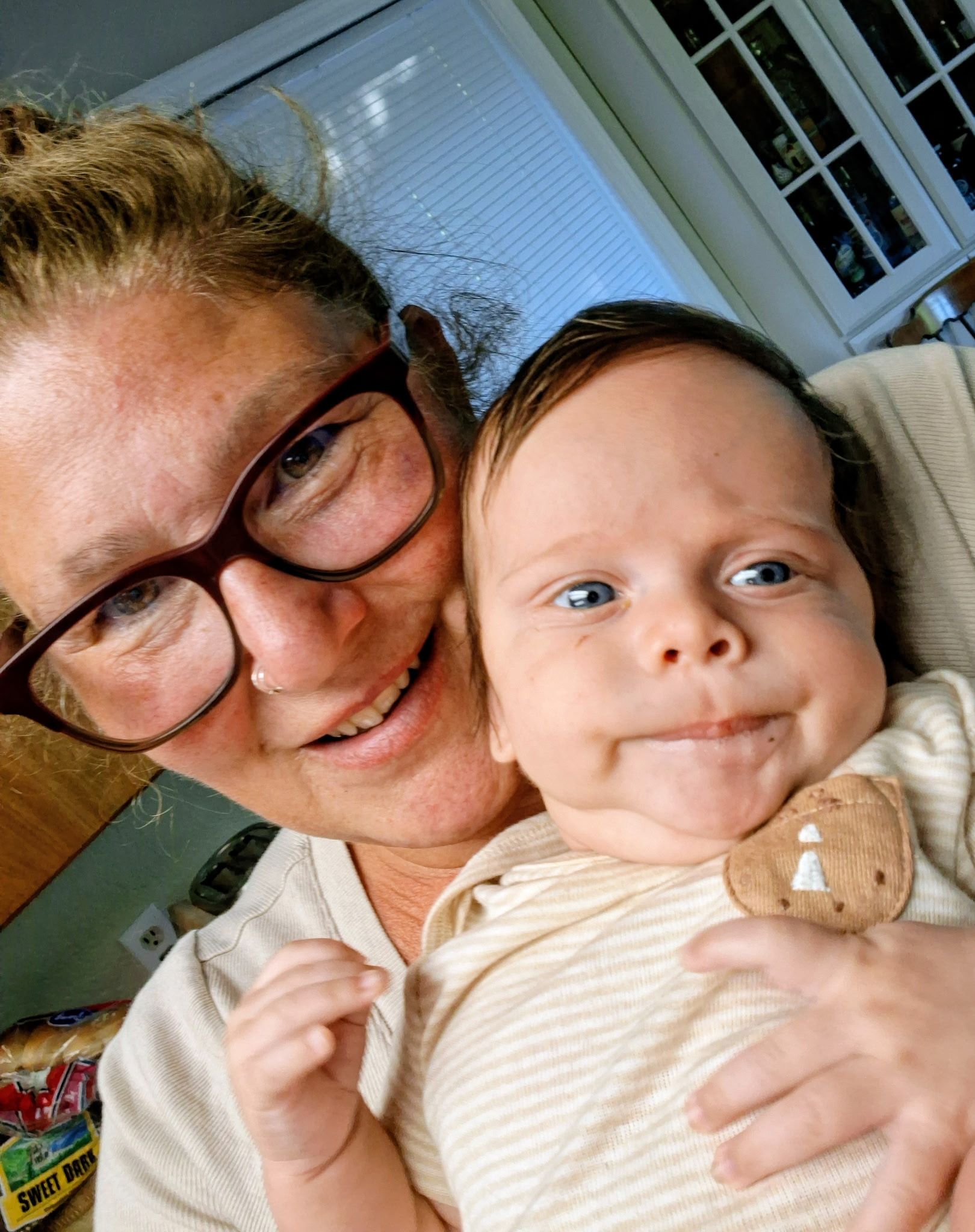
Amy Kilham & Carson, Shelby's baby boy
Mentoring at OWL360
According to a study by “A Few Good Mentors” :
- 74%
of people with a meaningful mentor said that person contributed significantly to their later success
- 85% of young people with a mentor said the relationship helped with school or education
- 22% more likely to have felt a strong sense of belonging while growing up
Mentorship can mean many things in different contexts but we use it to mean showing up for young people and meeting them where they are. Many young people haven’t had the opportunity to learn about all of the things yet. From how many minutes you cook pasta to reach al dente, to how to schedule a dentist appointment, to how to apply for financial aid and how you get a stain out of clothes.
People like Amy have shown up for young people without judgment and responded to exactly where they are.
We’d love to partner with adults like you who can walk alongside young people as they strive for sustainable independence.
Let's Talk!
Tobi McEnerney
Housing Case Care Manager
tobim@owl360.org
(360) 531-1269